

TMJ Treatment in Chennai — Non-Surgical Jaw Pain & Joint Care at Aligning Dentistry, Alwarpet

Jaw pain, clicking, teeth grinding, and bite imbalance — addressed without surgery, through specialist-led diagnosis and targeted non-surgical treatment in Alwarpet, South Chennai.

Jaw discomfort is one of the most underdiagnosed problems in dentistry. Patients live with clicking joints, morning headaches, worn teeth, and facial pain for years — often without knowing that a non-surgical solution exists. TMJ Treatment in Chennai at Aligning Dentistry, Alwarpet addresses the underlying bite and joint causes of these symptoms through evidence-based, specialist-led treatment — without surgery, and without delay.


MDS Specialist-Led Diagnosis

Non-Surgical, Targeted Treatment

Bite and Joint Assessment Included

Custom Appliances and Personalised Plans
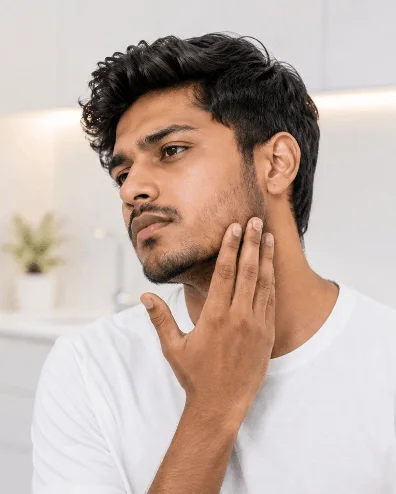
non-surgical-jaw-corrective-treatment

WHAT IS TMJ?

The temporomandibular joint — the joint connecting your lower jaw to your skull — is one of the most complex joints in the body. When this joint, the surrounding muscles, or the bite that drives it are out of balance, the result is a cluster of symptoms collectively called temporomandibular dysfunction (TMD): jaw pain, clicking or locking, headaches, facial muscle soreness, and accelerated tooth wear.

TMJ treatment in Chennai at Aligning Dentistry addresses these problems through diagnosis and treatment that does not involve any surgical procedure. This includes occlusal splints (bite guards) to offload the joint and protect the teeth, bite adjustment where the cause is occlusal imbalance, physiotherapy-based jaw muscle management, and behavioural guidance for teeth grinding (bruxism).

Most patients with jaw pain and TMD symptoms respond well to non-surgical management when the diagnosis is accurate and the treatment is appropriately targeted. Surgery is rarely the first or necessary option — and at Aligning Dentistry, it is never recommended before non-surgical approaches have been thoroughly explored.

Self-Check

What Are the Signs of a TMJ Disorder

If you’re experiencing any of the following, it may be time to consult a jaw pain specialist in Chennai for a TMJ evaluation

01

Jaw Pain or Tenderness Around the Joint or Ear

Pain localised to the jaw joint — particularly in front of the ear — that worsens with chewing, yawning, or wide mouth opening is one of the most characteristic signs of temporomandibular dysfunction. It is rarely self-resolving without treatment.

02

Clicking, Popping, or Grating Sounds When Opening or Closing

Audible or palpable sounds from the jaw joint during movement indicate a displacement or irregularity within the joint disc. While not always painful initially, clicking that is left unmanaged can progress to locking or pain over time.

03

Jaw Locking — Difficulty Fully Opening or Closing the Mouth

Episodes where the jaw feels stuck open or closed, or where opening is significantly limited, indicate a disc displacement that warrants prompt assessment. This is not a symptom to monitor without clinical evaluation.

04

Morning Headaches or Facial Muscle Pain on Waking

Waking with a headache, sore temples, or tight facial muscles — particularly around the cheeks and jaw — is a classic sign of nocturnal teeth grinding (bruxism). Patients often ask how to stop teeth grinding at night; the answer starts with identifying and managing it here, not with over-the-counter fixes.

05

Visibly Worn, Flattened, or Chipped Teeth

Teeth that have shortened noticeably, developed flat biting surfaces, or are chipping at the edges without obvious cause are being ground down — typically during sleep. This is both a jaw problem and a restorative concern that progresses without intervention.

06

Tooth Sensitivity That Has No Obvious Decay Cause

Generalised sensitivity — particularly to cold — across multiple teeth that have no decay or recent treatment is frequently caused by enamel loss from grinding. The sensitivity is a symptom of the underlying bruxism, not the primary problem.

07

Neck, Shoulder, or Temple Pain Associated with Jaw Symptoms

The muscles of the jaw, neck, and shoulders are functionally connected. Chronic jaw muscle overactivity from bruxism or TMD commonly radiates into the neck and shoulder region — a pattern that is often investigated by other specialists before the jaw is identified as the origin.

08

Awareness of Clenching or Grinding Your Teeth During the Day

Daytime clenching — often in response to stress, concentration, or posture — is a separate but related pattern to nocturnal bruxism. Patients who notice themselves clenching during work or driving benefit from both appliance therapy and behavioural guidance.

Why Choose Non-Surgical TMJ Treatment

Relieves Jaw Pain Without Surgical Risk or Recovery

The most immediate benefit for most patients is pain relief — reduced joint tenderness, fewer headaches, and easier jaw movement. Achieving this without surgery means no hospital admission, no recovery period, and no surgical risk.

Protects Teeth from Further Wear and Damage

An occlusal splint worn during sleep physically prevents the upper and lower teeth from making contact during grinding — halting the progressive tooth wear that, if left unchecked, eventually requires crowns, veneers, or full mouth rehabilitation to restore.

Addresses the Cause, Not Just the Symptoms

TMJ treatment and jaw pain treatment at Aligning Dentistry, Chennai targets the bite imbalance, joint dysfunction, or muscle overactivity driving the symptoms — not simply managing pain with medication. This distinction matters for long-term resolution rather than temporary relief.

Reduces Headaches and Facial Muscle Tension

Patients who present primarily with headaches and facial muscle soreness — without obvious jaw pain — frequently find significant relief once the jaw muscle component is identified and managed. The connection between jaw function and headache is well-established and consistently underrecognised.

Prevents Escalation to More Complex Problems

Untreated TMD and bruxism progress. Joint symptoms worsen, tooth wear accumulates, and what could have been managed with a splint and bite adjustment eventually requires more involved restorative and potentially surgical intervention. Early non-surgical management prevents this trajectory.

TMJ TREATMENT PROCESS

STEP 01

Consultation and Symptom

History Your specialist takes a detailed history of your jaw symptoms, headaches, sleep patterns, stress levels, and dental history. The onset, character, and distribution of symptoms are mapped — because TMD and bruxism present differently in different patients, and the treatment approach is guided by the specific pattern.

STEP 02

Clinical and Bite Assessment

A thorough clinical examination of the jaw joints, surrounding muscles, and bite relationship is carried out. Joint sounds, range of motion, muscle tenderness, and occlusal contact patterns are all assessed. Where indicated, dental X-rays or a CBCT scan of the joint is taken to evaluate the bony structures.

STEP 03

Diagnosis and Treatment

Planning Based on the assessment, a diagnosis is established — whether joint-based, muscle-based, occlusal, or a combination — and a non-surgical treatment plan is designed accordingly. This may involve an occlusal splint, bite adjustment, physiotherapy referral, behavioural guidance, or a combination of these, sequenced in the most clinically appropriate order.

STEP 04

Appliance Fitting or Treatment

Commencement Where an occlusal splint is indicated, impressions are taken and a custom-fabricated device is fitted at a subsequent appointment. Where bite adjustment or other treatments form the immediate plan, these are commenced with the patient's full understanding of the rationale and expected response.

Final step

Review, Monitoring, and Adjustment Non surgical jaw

jaw correction is not a single intervention — it is a managed process. Follow-up appointments assess your response to treatment, adjust the splint advancement or occlusal contact as needed, and monitor tooth wear and joint symptoms over time. Patients are advised on what to do at home to support the clinical management.

COST & INVESTMENT

TMJ Treatment Cost in Chennai — What Affects the Investment?

The cost of TMJ treatment in Chennai varies depending on the complexity of the diagnosis, the type of treatment indicated, and whether restorative work is required alongside jaw management.

Diagnostic assessment complexity

patients requiring CBCT imaging of the joint or extensive occlusal analysis involve more detailed assessment than straightforward bruxism presentations.

Type of appliance

different occlusal splint designs carry different costs based on the mechanism, material, and laboratory fabrication involved. A precision-fabricated device costs more than a basic night guard and delivers significantly better clinical outcomes.

Whether bite adjustment is required

occlusal equilibration as part of the treatment plan involves additional clinical appointments and is costed accordingly.

Number of follow-up appointments needed

complex cases requiring multiple adjustment and monitoring visits involve more clinical time than straightforward splint therapy.

Whether restorative treatment is indicated

patients with significant tooth wear from bruxism may require composite build-ups, crowns, or veneers as part of the overall rehabilitation, which is discussed and costed separately.

A clear, itemised cost

estimate for non-surgical jaw correction in Chennai is provided at your consultation — once your specialist has assessed your jaw, bite, and symptom profile and confirmed what your situation requires.

BOOK AN APPOINTMENT

Book Your Consultation

Please fill in your details and our team will contact you shortly.


    Patient Stories

    WHAT OUR PATIENTS SAY

    Jaw pain, morning headaches, and grinding are problems many patients live with for years before finding a treatment that actually addresses the cause. Here is what some of our patients have shared:

    Patient Testimonial

    Braces treatment experience

    Patient Testimonial

    Invisalign treatment experience

    Patient Testimonial

    Smile correction journey

    Read more patient experiences on our Testimonials Page →

    Questions

    Frequently Asked Questions

    Non surgical jaw Treatments / TMJ Treatment is a range of clinical treatments — including occlusal splints, bite adjustment, and muscle management — used to address jaw joint dysfunction, teeth grinding, and bite imbalance without surgery. It is appropriate for patients with jaw pain, clicking, headaches, tooth wear, or diagnosed temporomandibular dysfunction (TMD).

    No. Jaw clicking or popping without pain or other symptoms is common and does not necessarily require treatment. However, painful clicking, locking or restricted movement should be evaluated.

    Yes. Many TMD cases can be managed using conservative approaches such as self-management, exercises, physical therapy, medication when appropriate, or selected intraoral appliances. Surgery is generally reserved for specific situations and is not the first-line approach for most TMD problems.

    Yes. TMDs can occur in children and adolescents. However, diagnosis and treatment should be age-appropriate and based on proper clinical assessment.

    Treatment depends on the underlying condition and the approach recommended. Many initial treatment options are conservative and designed to reduce pain, improve jaw function and minimize strain on the joint and surrounding muscles.

    There is no fixed treatment duration because TMDs have different causes and levels of severity. Your treatment timeline will depend on your symptoms, diagnosis and response to treatment.

    An occlusal splint — also called a night guard or bite splint — is a custom-fitted dental device worn during sleep that prevents the upper and lower teeth from grinding against each other. It reduces the load on the jaw joint, relieves muscle tension, and stops progressive tooth wear. It does not cure bruxism but effectively manages its consequences.

    Bruxism does not have a single definitive cure. However, it can be effectively managed — through occlusal splints that protect the teeth, bite adjustments that reduce the occlusal trigger, and behavioural strategies that address daytime clenching. Most patients achieve significant symptom relief and prevent further damage with proper management.

    Common signs include waking with jaw soreness or headaches, visibly worn or flattened teeth, tooth sensitivity across multiple teeth, and being told by a partner that you grind during sleep. A dental examination — including assessment of tooth wear patterns — confirms the diagnosis.

    Yes. Chronic overactivity of the jaw muscles — from grinding or clenching — is a well-recognised cause of tension-type headaches, temple pain, and neck muscle soreness. Patients who present primarily with headaches are often eventually identified as having a jaw muscle component once a thorough assessment is carried out.

    The majority of jaw joint and bruxism cases are successfully managed without surgery. Surgery for TMD is reserved for a small number of cases with specific structural joint problems that have not responded to thorough non-surgical management. At Aligning Dentistry, non-surgical approaches are always explored fully before any surgical option is considered.

    Treatment depends on the underlying condition and the approach recommended. Many initial treatment options are conservative and designed to reduce pain, improve jaw function and minimize strain on the joint and surrounding muscles.

    Cost depends on the complexity of the diagnosis, the type of appliance or treatment indicated, and the number of follow-up appointments required. A personalised, itemised estimate is provided after your clinical assessment — not before the jaw and bite have been properly evaluated.

    BOOK YOUR TMJ CONSULTATION

    Jaw pain, stiffness, locking or painful clicking can affect everyday activities such as eating, speaking and opening your mouth.
    A proper evaluation can help identify whether your symptoms are related to a temporomandibular disorder and what treatment options may be appropriate.

    Book a TMJ consultation at Aligning Dentistry and get a personalized assessment for your jaw symptoms.