Everything you need to know about Gum Surgery at Aligning Dentistry.
1. What is gum surgery and when is it needed?
Gum surgery refers to clinical procedures on the gum tissue — either to treat advanced gum disease that hasn't responded to non-surgical treatment, or to reshape gum tissue for aesthetic or restorative purposes. It is recommended only after a thorough periodontal assessment confirms it's necessary.
2. Is gum surgery painful?
Gum surgery is carried out under local anaesthesia, so the procedure itself should not be painful. Some tenderness and mild swelling in the days following surgery is normal and manageable with prescribed medication. Laser gum treatment typically causes less post-operative discomfort than conventional surgery.
3. What is laser gum treatment and how is it different?
Laser gum treatment uses focused light energy to remove infected tissue and bacteria with greater precision than conventional surgical instruments. It generally involves less bleeding, reduced recovery time, and greater patient comfort — and is suitable for many, though not all, gum conditions.
4. How much does gum surgery cost in Chennai?
Gum surgery cost in Chennai varies based on the type of procedure, areas treated, and whether laser or conventional methods are used. A personalised cost estimate is provided after your clinical assessment. We do not quote prices before properly evaluating your gums.
5. What is gum contouring and who is it for?
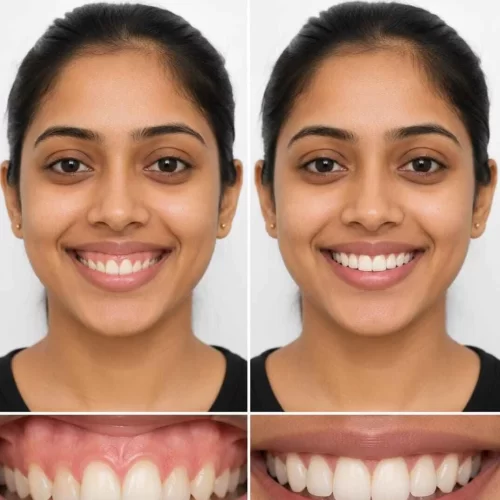
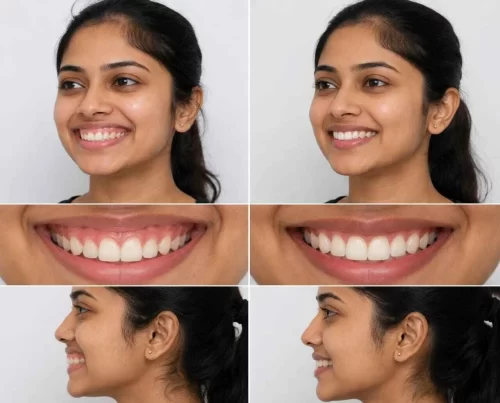
Gum contouring is an aesthetic procedure that reshapes the gum line — removing excess tissue (for a gummy smile) or evening out an asymmetric gum line. It is suitable for patients whose gum tissue affects the appearance of their smile rather than their dental health.
6. How long does recovery take after gum surgery?
Recovery varies by procedure type. Minor aesthetic gum procedures may heal within one to two weeks. More involved surgical treatment may require a longer recovery period. Your specialist will provide specific post-operative guidance and a follow-up schedule.
7. Can gum disease be treated without surgery?
In many cases, yes. Early and moderate gum disease often responds well to professional deep cleaning (scaling and root planing) without requiring surgery. Surgery is recommended when non-surgical treatment has not adequately resolved deep pockets or bone involvement.
8. What causes gum disease?
Gum disease is primarily caused by bacterial plaque accumulation along and beneath the gum line. Contributing factors include poor oral hygiene, smoking, systemic conditions such as diabetes, certain medications, and genetic predisposition.
9. Will my gums grow back after gum contouring?
In most cases, gum tissue removed during aesthetic contouring does not grow back significantly — particularly when laser treatment is used. Your specialist will discuss expected long-term stability at your consultation.
10. Is gum surgery safe?
Yes, when performed by a qualified periodontist. Gum surgery is a well-established clinical procedure with a long safety record. Pre-surgical assessment and post-operative care protocols minimise risk significantly.
11. Can I get gum treatment if I'm also planning dental implants?
Yes — in fact, gum health must be established before implants can be placed. Our specialists coordinate gum treatment and implant planning to ensure the right sequence is followed for long-term implant success.
12. How do I maintain my gums after surgery?
Post-surgical maintenance typically includes a structured schedule of professional cleaning appointments, alongside consistent home oral hygiene. Smoking cessation is strongly advised for patients who smoke. Your specialist will provide a tailored maintenance plan.